Key Takeaways
- A demolition contractor does more than tear down structures: they assess the site, identify hazards, plan the work, and determine the safest demolition method.
- Their responsibilities may include securing permits, coordinating utility disconnections, protecting nearby buildings, and complying with safety and environmental regulations.
- Contractors may use mechanical demolition, manual dismantling, selective demolition, or deconstruction depending on the structure, site access, surrounding property, and project goals.
- Debris management is a major part of the job, including sorting materials, arranging roll-off containers, recycling where possible, and disposing of waste responsibly.
- After the structure is removed, the contractor may clear debris, level or prepare the site, and coordinate follow-up work such as landscaping, irrigation, or new construction.
Demolition is much more than simply tearing down a building. Whether an old house needs to be removed, a commercial structure is being replaced, or a property needs to be cleared for new construction, demolition requires careful planning, specialized equipment, safety procedures, and proper debris management.
A professional demolition contractor coordinates these activities to make sure a demolition project is completed safely, efficiently, and according to applicable requirements. Their responsibilities can range from initial site assessments and permits to structural dismantling, material handling, cleanup, and site preparation.
For property owners in Marble Falls and surrounding areas, understanding what a demolition contractor does can make it easier to plan a renovation, redevelopment, or property-clearing project.
Planning a demolition project? Speak with a qualified professional to evaluate your property, understand the demolition process, and determine the safest approach for your project.
What Is a Demolition Contractor?
A demolition contractor is a professional responsible for dismantling, removing, or demolishing structures and preparing the property for its next stage of development.
Unlike general property cleanup, demolition involves removing structures that may contain significant structural, electrical, plumbing, or environmental hazards.
A demolition contractor evaluates the building and surrounding property before determining how the work should be performed. The contractor may use heavy machinery, specialized tools, and controlled dismantling techniques depending on the structure.
The goal is not simply to bring a structure down. The goal is to complete the work while protecting workers, nearby buildings, utilities, surrounding property, and the environment.
What Services Does a Demolition Contractor Provide?
Demolition contractors can handle a wide variety of projects. The exact services depend on the property and the owner’s goals.
Residential demolition may involve removing an outdated house, garage, shed, addition, or other structure. Commercial demolition may involve offices, retail buildings, warehouses, or other larger structures.
Some contractors also provide selective demolition, where only specific portions of a building are removed while the remaining structure is preserved.
Want to learn more about demolition, property cleanup, and safe project planning? Browse our blog for more helpful tips, guides, and expert information to help you prepare for your next project.
Permits and Regulations
Demolition projects may require permits, inspections, notifications, or other approvals depending on the location and type of structure.
A professional contractor can help property owners understand which requirements apply to their project. Permit requirements can vary depending on the municipality, building type, location, and scope of demolition.
Ignoring applicable requirements can cause delays, fines, or other complications.
A responsible contractor considers regulatory requirements before work begins rather than treating them as an afterthought.
Tree Removal and Demolition
Trees can sometimes complicate demolition projects.
Large trees may be located close to structures, equipment access routes, or work areas. Their branches and root systems can create additional considerations when heavy machinery is operating nearby.
In some cases, trees may need to be protected. In others, removal may be necessary before demolition can safely proceed.
A professional tree care service can evaluate trees and determine whether pruning, protection, or removal is appropriate.
Coordinating tree work before demolition begins can help prevent equipment access and safety issues.
Choosing the Right Demolition Method
Not every structure should be demolished in the same way.
A contractor may choose between mechanical demolition, manual dismantling, selective demolition, or a combination of techniques.
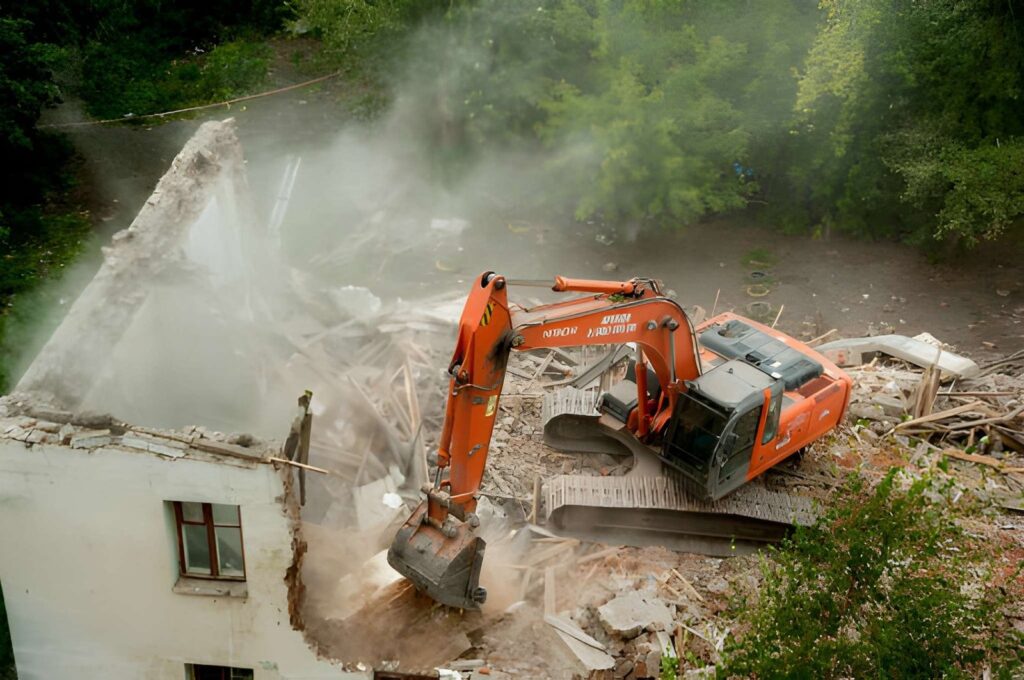
Mechanical demolition uses equipment such as excavators and other heavy machinery to remove structures efficiently.
Manual or selective demolition may be appropriate when certain parts of the building need to be preserved.
The method depends on the building’s size, construction, location, accessibility, surrounding structures, and project objectives.
A professional assessment helps determine the most appropriate strategy.
The Role of Roll-Off Containers
Large demolition projects can generate more debris than standard waste containers can handle.
A Perfect roll-off rental in Marble Falls option can provide a practical way to collect and transport substantial quantities of demolition material.
The appropriate container size depends on the type and volume of debris.
Planning waste removal can help prevent piles of material from accumulating around the property and interfering with ongoing work.
Residential Demolition
Residential demolition is commonly performed when an old or damaged house needs to be removed before rebuilding.
Homeowners may also demolish detached garages, sheds, additions, workshops, or other structures.
Before demolition begins, utilities typically need to be addressed appropriately. The property must also be prepared so equipment can access the site safely.
Once the structure is removed, the contractor handles the resulting debris and helps prepare the property for the next phase.
For homeowners planning to build a new house, demolition can be the first major step toward redevelopment.
Safety Is a Major Part of Demolition
Safety is one of the most important responsibilities of a demolition contractor.
Structures can contain unstable materials, hidden utilities, sharp debris, dust, heavy components, and other hazards.
Professional demolition crews use appropriate equipment, procedures, and protective measures to reduce risks.
They also need to consider people outside the immediate work area.
Nearby pedestrians, neighboring properties, workers, vehicles, and utility infrastructure may all need protection.
Demolition and Landscaping Projects
Demolition often overlaps with landscaping.
Once an old structure has been removed, property owners may want to redesign the yard, install new outdoor features, improve drainage, or create additional usable space.
Professional landscaping services can help transform the cleared property after demolition is complete.
However, landscaping plans should consider the condition of the soil and any remaining underground structures.
Demolition may disturb soil, remove shade, or change how water moves across the property. Planning landscaping after demolition can help ensure the finished property is both attractive and functional.
Irrigation Considerations
Property owners should also consider irrigation systems when preparing a site for demolition or redevelopment.
Underground irrigation lines can be damaged by heavy machinery, excavation, and grading.
If an existing irrigation system is being retained, its location should be identified before demolition begins.
If the property will receive new landscaping afterward, the project may eventually require drip irrigation system installation or another irrigation solution.
Planning these elements together can prevent unnecessary damage and rework.
Demolition and Property Cleanup
Once the building is removed, there may still be considerable material left on the property.
Broken concrete, discarded fixtures, old appliances, household materials, and other unwanted items may require separate handling.
For smaller quantities of miscellaneous material, a junk removal service provider may be useful. Proper cleanup helps create a safer and more organized site for construction, landscaping, or property redevelopment.
Storm-Damaged Structures
Severe weather can sometimes leave structures too damaged to repair. High winds, falling trees, flooding, and other events can compromise roofs, walls, foundations, and other structural components.
In these situations, demolition may be necessary if the structure presents a safety hazard. A storm damage cleanup service may be involved in removing fallen branches, debris, and damaged materials before or alongside demolition work.
The sequence depends on the property’s condition and the type of damage involved.
Demolition vs. Deconstruction
Demolition and deconstruction are not always the same.
Traditional demolition focuses on efficiently removing a structure. Deconstruction involves carefully dismantling portions of a building so that materials can potentially be reused or recycled.
For certain projects, deconstruction may be desirable because it allows materials such as wood, fixtures, doors, windows, or architectural elements to be recovered.
However, it can require more time and labor than conventional demolition. Property owners should discuss their goals with the contractor before deciding which approach makes the most sense.
Why Professional Demolition Is Worth Considering
Attempting to demolish a building without appropriate equipment and experience can create serious risks. Structures can behave unpredictably, debris can fall unexpectedly, and hidden utilities can create dangerous conditions.
Professional contractors bring specialized equipment, planning experience, safety procedures, and debris-management capabilities to the project. They can also help property owners understand the work required before demolition starts.
For complex or large-scale projects, professional demolition is generally a much safer and more organized option than attempting the work independently.
Looking for helpful information for your next cleanup, demolition, or landscaping project? Browse our blog to learn more and find useful tips from Garcia’s Roll Off Services.
Conclusion
A demolition contractor does far more than tear down buildings. From evaluating the property and planning the demolition method to managing safety, coordinating utilities, removing debris, and preparing the site for its next purpose, demolition contractors play an important role in property redevelopment.
Whether you’re removing an old home, clearing a commercial building, dismantling part of a structure, or preparing land for new construction, professional planning can make the process safer and more efficient.
Frequently Asked Questions
1. What does a demolition contractor do?
A demolition contractor plans and manages the safe removal of buildings, structures, or selected portions of a property. Their responsibilities may include site assessment, permit coordination, utility planning, selecting demolition methods, operating equipment, protecting surrounding areas, removing debris, and preparing the site for construction, landscaping, or redevelopment. Demolition involves much more than simply tearing down a structure.
2. What types of demolition projects can contractors handle?
Demolition contractors may work on residential, commercial, industrial, and selective demolition projects. Services can include removing houses, garages, sheds, additions, offices, warehouses, retail buildings, interior walls, concrete structures, or damaged sections of a property. The contractor chooses an appropriate method based on the building’s size, materials, location, accessibility, surrounding structures, and the property owner’s goals.
3. Is a permit required for demolition?
A demolition permit, inspection, notification, or other approval may be required depending on the municipality, property type, building size, and project scope. Requirements vary by location, so property owners should confirm the rules before work begins. An experienced contractor can help identify applicable requirements and coordinate the necessary steps to reduce the risk of delays, fines, or other complications.
4. What happens before demolition begins?
Before demolition starts, the contractor usually assesses the structure, surrounding property, access routes, utilities, potential hazards, equipment needs, and debris-management requirements. The site may need to be secured, utilities addressed, and nearby structures protected. The contractor then develops a demolition plan that explains how the work will be completed safely and efficiently.
5. What demolition methods are available?
The main options may include mechanical demolition, manual dismantling, selective demolition, or a combination of methods. Mechanical demolition uses equipment such as excavators and breakers to remove structures efficiently. Manual or selective demolition may be better when specific materials or building sections need to be preserved. The safest method depends on the structure, site conditions, and project objectives.
6. Can a demolition contractor remove hazardous materials?
Some structures may contain hazardous materials such as asbestos, lead-based paint, mould, chemicals, or contaminated materials. These substances may require specialized testing, removal, handling, and disposal by appropriately qualified professionals. Property owners should discuss potential hazards during the initial assessment and confirm who is responsible for hazardous-material services before demolition begins.
7. How are utilities handled before demolition?
Water, electricity, gas, sewer, telecommunications, and other utilities generally need to be identified and addressed before demolition. The required process may involve coordination with utility providers and qualified professionals. Contractors also consider underground lines, nearby infrastructure, and temporary access needs. Proper utility planning helps reduce the risk of service damage, fire, flooding, or injury.
8. What happens to demolition debris?
After a structure is removed, demolition debris may include concrete, wood, metal, drywall, fixtures, roofing, appliances, and other materials. A contractor may sort recycling materials, transport them in roll-off containers, and dispose of remaining waste according to applicable requirements. Planning debris removal helps keep the site safer, cleaner, and ready for its next stage.
9. How long does a demolition project take?
The timeline depends on the size and construction of the building, demolition method, permits, utility work, hazardous materials, weather, site access, and the amount of debris requiring removal. A small shed may be completed quickly, while a house or commercial structure can require considerably more planning. A contractor can provide a more accurate schedule after assessing the property.
10. What is the difference between demolition and deconstruction?
Demolition focuses on removing a structure efficiently, often using mechanical equipment. Deconstruction involves carefully dismantling a building so materials such as wood, doors, windows, fixtures, or architectural elements can potentially be reused or recycled. Deconstruction may reduce recoverable waste but generally requires more time and labour. The best option depends on the project’s budget, schedule, and sustainability goals.
11. Should I hire a professional demolition contractor?
Professional demolition is generally the safer and more organized choice for buildings, large structures, complex sites, or projects involving utilities and potential hazards. Contractors bring planning experience, specialized equipment, safety procedures, debris-management capabilities, and knowledge of local requirements. Attempting structural demolition without proper training or equipment can expose people and nearby property to serious risks.