Demolition projects involve much more than tearing down walls and removing debris. Whether you are preparing for a renovation, clearing damaged structures, or making room for new construction, safety should always remain the top priority. Proper planning, professional oversight, and adherence to safety regulations help protect workers, neighboring properties, and the environment throughout the demolition process.
Many property owners underestimate the risks involved in demolition work. Structural collapses, hazardous materials, utility damage, airborne dust, and falling debris can all create serious dangers when projects are not managed correctly. Understanding safe demolition practices before work begins allows property owners to make informed decisions and avoid costly mistakes.
Working with an experienced demolition service provider ensures the project is handled efficiently while maintaining strict safety standards from start to finish.
👉 Planning a demolition project? Contact a trusted professional today to schedule a property assessment and ensure your demolition process starts safely and efficiently.
Why Safety Matters in Demolition Projects
Demolition sites can quickly become hazardous without proper planning and supervision. Even small residential demolition projects involve heavy equipment, unstable structures, electrical systems, and large amounts of debris.
Safe demolition practices are essential because they help:
- Prevent worker injuries
- Reduce property damage
- Avoid legal and environmental issues
- Protect neighboring structures
- Improve project efficiency
- Minimize dust and airborne contaminants
Property owners who prioritize safety from the beginning are more likely to experience smoother projects with fewer delays and complications.
Conducting a Thorough Site Assessment
Every safe demolition project begins with a detailed site evaluation. Contractors inspect the property to identify structural concerns, environmental hazards, utility locations, and accessibility issues before demolition starts.
A proper assessment helps determine:
- The safest demolition method
- Required permits and inspections
- Potential environmental concerns
- Equipment needs
- Debris disposal strategies
- Emergency response procedures
Older structures often contain hidden risks such as weakened support systems or hazardous building materials. Identifying these issues early helps prevent accidents during demolition.
Professional evaluations also help property owners establish realistic timelines and budgets for the project.
Understanding Different Demolition Methods
Not all demolition projects follow the same process. Choosing the appropriate demolition method plays a major role in maintaining safety throughout the project.
Mechanical Demolition
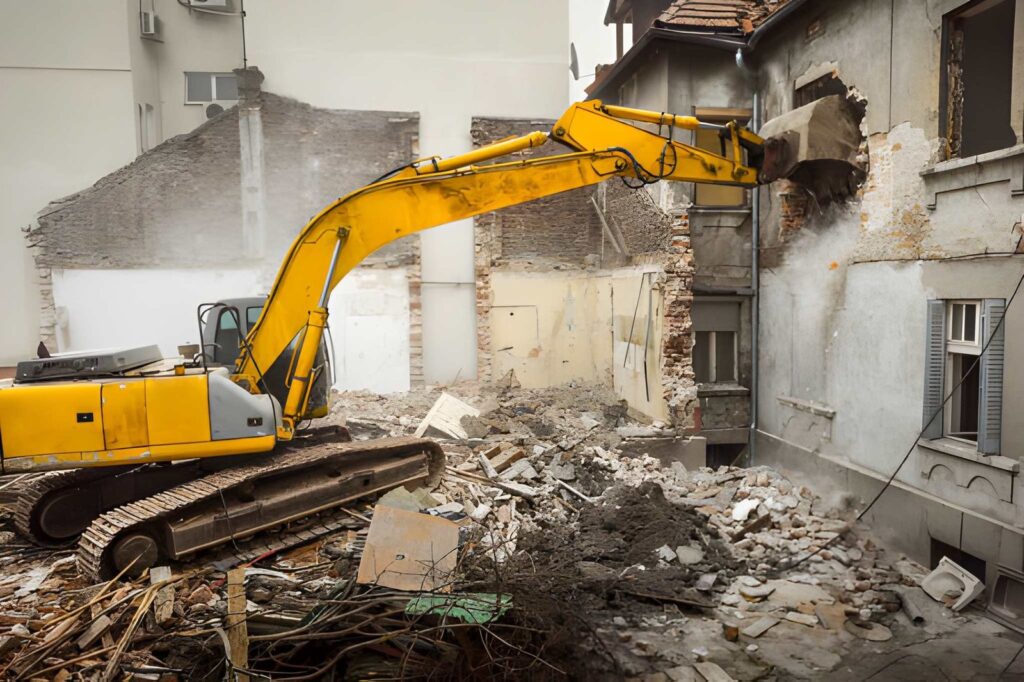
Mechanical demolition uses heavy machinery such as excavators, bulldozers, and hydraulic equipment to remove structures efficiently. This method is commonly used for complete building removal.
Selective Demolition
Selective demolition involves removing specific sections of a structure while preserving the remaining portions. This approach is often used during remodeling projects and requires greater precision.
Deconstruction
Deconstruction service focuses on carefully dismantling a building to salvage reusable materials such as wood, metal, and fixtures. Although slower, it reduces landfill waste and supports environmentally responsible practices.
A professional company can determine which method best suits the property’s condition, location, and project goals.
Securing Permits and Following Regulations
Demolition projects are heavily regulated to ensure public safety and environmental compliance. Property owners must obtain the necessary permits before any demolition work begins.
Permit requirements may include:
- Structural inspections
- Utility disconnection approvals
- Environmental testing
- Waste disposal plans
- Traffic control measures
- Noise regulation compliance
Ignoring permit requirements can result in fines, legal complications, or project shutdowns. Working with licensed professionals helps ensure all local regulations are followed properly.
👉 Need expert guidance for a safe and organized demolition project? Reach out today to learn how professional planning and debris management can protect your property and investment.
Disconnecting Utilities Safely
One of the most critical safety steps before demolition is disconnecting all utilities connected to the structure.
This includes:
- Electricity
- Gas
- Water
- Sewer lines
- Internet and communication cables
Failure to disconnect utilities properly can lead to electrocution, gas leaks, flooding, or explosions. Contractors coordinate with utility providers to ensure all services are safely terminated before demolition begins.
After demolition is complete, some property owners hire a professional landscaping service to restore damaged outdoor areas and improve the property’s appearance.
Identifying Hazardous Materials
Many older buildings contain hazardous materials that require special handling procedures. Common dangerous materials found during demolition include:
- Asbestos
- Lead-based paint
- Mold
- Chemical residues
- Contaminated insulation
Professional environmental inspections help identify these materials before demolition starts. If hazardous substances are present, licensed abatement specialists remove and dispose of them according to safety regulations.
Proper hazardous material handling protects workers, nearby residents, and the surrounding environment from contamination risks.
Establishing Safety Zones Around the Site
Creating controlled safety zones is essential during demolition projects. Restricting unauthorized access helps reduce the risk of injuries caused by falling debris, dust, or machinery.
Contractors typically secure demolition sites using:
- Temporary fencing
- Warning signs
- Barricades
- Controlled entry points
- Safety monitoring personnel
Property owners should also notify neighbors before demolition begins so they can prepare for temporary noise, dust, and increased traffic in the area.
Safe Equipment Operation
Heavy equipment is central to most demolition projects, but improper machinery operation can lead to severe accidents.
Operators should receive proper training and certification before using demolition equipment such as:
- Excavators
- Bulldozers
- Cranes
- Hydraulic breakers
- Loaders
In some projects, contractors may use a skid steer for clearing land after demolition to remove debris and prepare the site for future development. Safe operation of this equipment is essential to avoid rollovers and ground instability issues.
Routine equipment inspections and maintenance also help prevent mechanical failures during demolition activities.
Managing Debris and Waste Removal
Demolition generates large volumes of waste materials that must be handled safely and efficiently. Proper debris management reduces tripping hazards, improves site organization, and helps maintain environmental compliance.
Many contractors rely on roll-off dumpster rentals to streamline debris collection and disposal throughout the project. Organized waste removal prevents excessive accumulation of materials on-site.
Property owners may also arrange a junk removal service before demolition begins to remove unwanted furniture, appliances, or clutter from the structure.
Separating recyclable materials such as metal, concrete, and wood helps reduce landfill waste and supports sustainable demolition practices.
Protecting Nearby Structures and Landscaping
Demolition work can affect nearby buildings, sidewalks, trees, and outdoor features if precautions are not taken.
Contractors often use protective measures such as:
- Vibration monitoring
- Structural bracing
- Protective barriers
- Controlled demolition sequencing
- Tree protection fencing
If extensive vegetation or debris removal is necessary, a specialized lot clearing service may be required to prepare the property for future construction or redevelopment.
Larger projects involving overgrown or undeveloped land may also require assistance from a professional lot clearing company to remove brush, trees, and uneven terrain safely.
Emergency Preparedness During Demolition
Even well-planned demolition projects require emergency preparedness procedures. Contractors should establish response plans for situations such as:
- Structural collapses
- Equipment malfunctions
- Fires or explosions
- Medical emergencies
- Hazardous material exposure
- Severe weather conditions
Emergency plans should include evacuation routes, first-aid stations, communication procedures, and emergency contact information.
Quick response times can significantly reduce injuries and property damage during unexpected incidents.
The Importance of Hiring Licensed Professionals
Demolition is not a DIY project. Professional contractors possess the expertise, equipment, and certifications necessary to complete projects safely and legally.
When selecting a contractor, property owners should verify:
- Licensing and insurance coverage
- Experience with similar projects
- Safety certifications
- Customer reviews
- Compliance with local regulations
- Written contracts and pricing transparency
Hiring experienced professionals reduces liability risks and helps ensure demolition work meets all applicable safety standards.
Preparing for Post-Demolition Site Work
After demolition is complete, additional site preparation is often required before new construction can begin.
Post-demolition tasks may include:
- Soil grading
- Debris removal
- Utility upgrades
- Drainage corrections
- Foundation preparation
Some redevelopment projects also involve outdoor improvements, such as irrigation sprinkler installation service, to support future landscaping plans.
Thorough site preparation helps create a stable and safe foundation for future structures while improving long-term property value.
Common Mistakes Property Owners Should Avoid
Property owners can reduce project risks by avoiding common demolition mistakes such as:
Hiring Unlicensed Contractors
Choosing unqualified contractors may result in unsafe work practices, legal issues, or incomplete projects.
Ignoring Hazardous Material Testing
Skipping asbestos or lead inspections can create serious health and environmental hazards.
Underestimating Project Costs
Unexpected expenses often arise when property owners fail to account for permits, disposal fees, or environmental remediation.
Failing to Communicate With Neighbors
Demolition projects can disrupt nearby residents. Providing advance notice helps reduce complaints and misunderstandings.
Attempting DIY Demolition
Demolition involves significant safety risks and should always be handled by trained professionals with proper equipment.
👉 Ready to start your demolition project with confidence? Visit our Contact page today to connect with our experienced team and schedule your consultation.
Final Thoughts
Safe demolition practices are essential for protecting workers, property owners, neighboring structures, and the environment. Every demolition project requires careful planning, proper permits, hazard assessments, and strict safety protocols to ensure successful results.
By understanding the demolition process and working with experienced professionals, property owners can avoid unnecessary risks and costly mistakes. From utility disconnections and hazardous material removal to debris management and environmental responsibility, every stage of demolition contributes to overall project safety.
Taking the time to prioritize safety before demolition begins creates a smoother, more efficient experience and lays the groundwork for successful future development.
FAQs
1. What are safe demolition practices for property owners?
Safe practices start with site assessments, utility disconnections, permits, hazard checks, and hiring pros to prevent collapses, injuries, and fines. They include PPE use, dust control, safety zones, and debris management for smoother projects.
2. Why is safety critical in demolition projects?
Safety prevents worker injuries, property damage, legal issues, and environmental harm while boosting efficiency.Hazards like unstable structures, dust, and utilities demand planning to protect sites and neighbors.
3. What permits are needed for safe demolition?
Permits cover structural inspections, utility approvals, environmental tests, waste plans, traffic, and noise compliance. Pros handle them to avoid fines or shutdowns; requirements vary by location.
4. How to safely disconnect utilities before demolition?
Shut off electricity, gas, water, sewer, and cables via providers, confirming before work starts to avoid electrocution or explosions.
Gas lines pose the biggest fire risk, coordinate early.
5. What hazardous materials are found in demolition?
Common ones: asbestos, lead paint, mold, chemical residues, contaminated insulation—inspect and abate professionally. Early ID protects workers, residents, and the environment from contamination.
6. What are the main demolition methods?
Mechanical (excavators for full removal), selective (precise sections), and deconstruction (salvage materials to cut waste). Pros pick based on site, safety, and goals for efficiency.
7. How to control dust in demolition projects?
Use water sprays, suppression gear, barriers, covered containers, and street cleaning to minimize airborne health risks. Vital for older structures and neighborhoods.
8. Why hire licensed pros for demolition?
They provide expertise, insurance, equipment, and compliance to reduce liability and ensure safety standards. Verify licensing, reviews, and contracts—avoid DIY risks like collapses