Key Takeaways
- Most junk removal services will take non-hazardous household and commercial items: furniture (sofas, mattresses, tables, dressers), large appliances (fridges, washers, dryers, confirm refrigerant handling), electronics (TVs, computers, often recycled), metal items, and general clutter from garages, basements, and attics.
- Yard waste and light outdoor debris (branches, leaves, small amounts of soil) are often accepted, but large logs, extensive tree debris, or storm cleanup may require specialized tree care or storm-damage services.
- Construction/renovation debris is sometimes accepted in small quantities (drywall pieces, flooring, cabinets, doors, non-treated wood), but heavy materials (concrete, brick, dirt, roofing) and large-scale projects are better handled via roll-off dumpster rentals or demolition/lot-clearing services.
- Hazardous or regulated items (paints, solvents, chemicals, batteries, propane tanks, medical waste, asbestos) are typically not taken and need special disposal; always confirm the provider’s accepted list and any weight/volume limits before booking.
Getting rid of unwanted items can quickly become a bigger task than expected. Old furniture, broken appliances, household clutter, construction debris, and outdoor waste can take up valuable space and may be difficult to transport yourself. A professional junk removal service can make the process easier by collecting, loading, hauling, and properly disposing of unwanted materials.
Junk Removal Services are designed to handle many types of residential and commercial waste. However, not everything can be removed because certain materials may require specialized handling, recycling procedures, or hazardous-waste disposal.
Understanding what a junk removal company can take helps you prepare for a cleanup and choose the right service for your needs. Whether you are cleaning out a home, renovating a property, preparing a yard, or dealing with storm debris, knowing what is accepted can save time and prevent unexpected problems.
Ready to clear unwanted items without the heavy lifting? Contact a professional junk removal provider to discuss your cleanup needs and find out what they can safely haul away.
What Do Junk Removal Services Typically Take?
Most professional junk removal companies accept a wide variety of non-hazardous household, business, and outdoor items. Their teams generally arrive at the property, identify the materials that need to be removed, load them into their vehicles, and transport them for disposal, recycling, donation, or other appropriate processing.
The exact list varies between companies, so it is always wise to confirm accepted materials before scheduling an appointment. Still, several categories are commonly handled.
Old Furniture
Furniture is one of the most common types of junk removed from homes and businesses. Professional crews can often remove bulky items that are difficult to move without additional help.
Common examples include:
- Sofas and couches
- Mattresses and bed frames
- Tables and chairs
- Dressers and cabinets
- Bookshelves
- Office desks and furniture
- Patio furniture
Furniture removal can be particularly useful during a home renovation, move, estate cleanout, or major decluttering project.
Household Appliances
Many junk removal providers also accept unwanted appliances. These can be heavy, awkward, and challenging to transport without the appropriate vehicle and equipment.
Depending on the company’s policies, accepted appliances may include refrigerators, washing machines, dryers, dishwashers, ovens, microwaves, and other large household equipment.
Some appliances contain refrigerants or other components that require special processing. Because of this, customers should confirm acceptance requirements before pickup.
Need Help Removing Old Appliances? Large appliances can be difficult to move and may require proper handling during disposal. Explore Services for information about junk removal and appliance pickup options and learn what items may be accepted for removal.
Electronics
Electronic waste is another common category, although disposal procedures can vary significantly.
Items that may be accepted include computers, monitors, televisions, printers, phones, gaming equipment, and other outdated electronics. Responsible companies may separate electronics for recycling rather than sending everything directly to a landfill.
Because electronic devices can contain materials that should not enter ordinary waste streams, ask the removal company how electronic items are handled after collection.
Can Junk Removal Companies Take Yard Waste?
Many junk removal companies handle certain types of outdoor debris, especially when it results from routine property maintenance or landscaping projects.
Branches, fallen limbs, leaves, grass clippings, small amounts of soil, and other yard debris may be accepted depending on the company’s equipment and disposal capabilities.
For larger outdoor projects, homeowners may also work with specialized providers. For example, Landscaping Services may handle ongoing property maintenance, while Tree Care Services can be more appropriate for pruning, tree removal, stump work, and large amounts of tree debris.
Branches and Tree Debris
Small branches and other organic debris are often manageable for general junk removal crews. However, very large logs, extensive tree removal debris, or unusually heavy materials may require specialized equipment.
After severe weather, the situation can be different. Large quantities of fallen branches and damaged trees may require Storm Damage Cleanup services, particularly when debris is spread across a large property or creates access and safety issues.
Can They Remove Construction and Renovation Debris?
Renovation projects can produce substantial amounts of unwanted material. Depending on local regulations and company policies, junk removal providers may take certain non-hazardous construction debris.
Examples can include:
- Broken cabinets
- Old flooring
- Drywall pieces
- Non-treated wood
- Fixtures
- Doors
- Windows
- Small quantities of remodeling debris
However, large-scale renovation projects may generate more waste than a standard junk removal truck can handle efficiently.
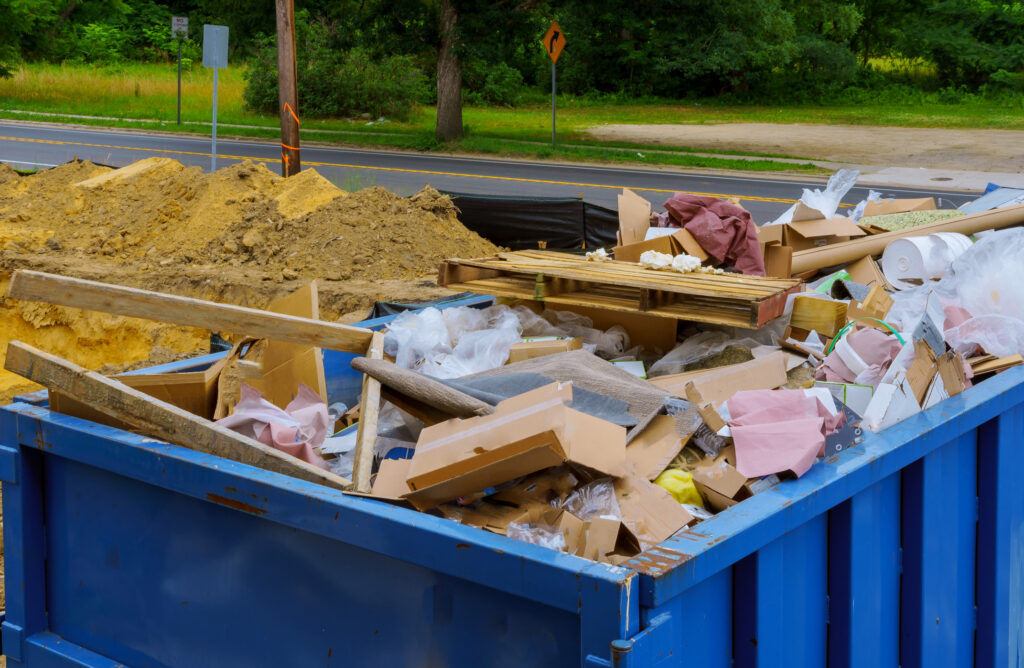
For major construction or demolition work, Roll Off Dumpster Rentals may provide a more practical solution because a dumpster can remain at the property while workers continuously load debris throughout the project.
What About Heavy Materials?
Some junk removal companies have weight limits or restrictions on certain construction materials. Concrete, bricks, roofing materials, dirt, and other heavy debris can quickly increase the weight of a load.
Before scheduling removal, provide accurate information about the type and approximate quantity of material. This allows the provider to determine whether its equipment is suitable for the job.
Can Junk Removal Services Take Appliances and Metal?
Metal items are often accepted because many metals can be recovered and recycled.
Old grills, metal shelving, bicycles, filing cabinets, tools, and other metal objects may be suitable for removal. Recycling these materials can reduce the amount of waste sent to landfills while allowing useful materials to re-enter the manufacturing process.
Large metal objects may require additional labor or equipment, particularly if they are located in difficult-to-access areas.
What About Garage, Basement, and Attic Cleanouts?
Whole-area cleanouts are another common reason people hire junk removal companies. Garages, basements, attics, storage rooms, and sheds can accumulate unwanted possessions over many years.
A professional crew may be able to remove a mixture of furniture, boxes, household items, tools, toys, decorations, and other general clutter in one visit.
This can be especially useful when preparing a property for sale, moving into a smaller home, completing an estate cleanout, or simply reclaiming storage space.
How Do Outdoor Cleanup Projects Fit In?
Junk removal can be part of a larger property cleanup project. For example, a homeowner may need to remove an old shed, clear discarded materials from a backyard, and haul away branches after completing landscaping work.
Some projects, however, require specialized services rather than standard junk hauling.
Lot Clearing Services may be appropriate when an undeveloped or heavily overgrown property needs substantial clearing. Similarly, Skid Steer Services can be useful for projects involving heavy materials, grading, debris movement, or difficult terrain.
The key is understanding the difference between removing accumulated junk and performing specialized property work. A junk removal company may handle the final hauling stage even when another contractor performs the initial clearing or demolition.
What Happens to the Items After Removal?
Professional junk removal is not simply about taking unwanted materials away. Many companies sort collected items to determine which materials can be recycled, donated, reused, or disposed of appropriately.
Reusable furniture and household goods may have opportunities for donation. Metals, electronics, cardboard, and certain other materials may be separated for recycling.
Items that cannot be reused or recycled may ultimately be disposed of according to applicable local requirements.
This approach can make junk removal more responsible than simply placing everything into a general waste container. If environmental practices are important to you, ask the provider what happens to your materials after pickup.
Junk Removal vs. Renting a Dumpster
Junk removal and dumpster rental can both be useful, but they serve different purposes.
With professional junk removal, the crew typically handles the lifting, loading, transportation, and disposal. This makes it convenient when you want the entire job completed for you.
A dumpster rental can be more appropriate when you are managing the cleanup yourself and need a container available for several days. This is common during renovations, construction, large-scale cleanouts, and property improvement projects.
The right option depends on the size of the project, the type of materials involved, how quickly you want the waste removed, and whether you want to handle the loading yourself.
How to Choose the Right Junk Removal Provider
Choosing a reliable provider involves more than finding the cheapest price. Look for a company that clearly explains what it accepts, how pricing works, and how collected materials are handled.
Ask whether the quoted price includes labor, loading, transportation, disposal, and additional fees. It is also useful to confirm whether the company is properly equipped for bulky furniture, appliances, yard debris, or construction materials.
A professional provider should be willing to explain its policies rather than leaving you uncertain about what will happen on pickup day.
Learn More About Junk Removal Services: Explore the Garcia Rolloff Services blog for practical information about junk removal, cleanup projects, service options, and what to consider when choosing a removal provider.
Final Thoughts
A junk removal service can take many unwanted items, including furniture, appliances, electronics, household clutter, metal objects, yard debris, and certain renovation materials. However, accepted items vary by provider, and hazardous or specialized materials may require alternative disposal methods.
Understanding these limitations before scheduling a pickup can help you avoid delays and choose the right solution. For straightforward household and property cleanouts, professional junk removal can save significant time and physical effort. Larger construction, land-clearing, tree, or storm-related projects may require specialized services or equipment alongside junk.
Frequently Asked Questions
1. What items can a junk removal service take?
Most providers accept non-hazardous household and commercial items: furniture (sofas, mattresses, tables), appliances (fridges, washers, dryers), electronics (TVs, computers), metal (grills, shelving), general clutter, and moderate yard debris (branches, leaves). Always confirm specifics with the company.
2. What items are typically NOT accepted?
Hazardous materials are usually excluded: asbestos, lead paint, chemicals, solvents, fuels, propane tanks, batteries, medical/biohazard waste, and large quantities of concrete/dirt/roofing shingles. Some companies also limit TVs/monitors or require special handling fees for certain e‑waste.
3. Do junk removal companies take appliances?
Yes, most take large appliances like refrigerators, stoves, washers, dryers, dishwashers, and microwaves. Note: fridges/freezers often require refrigerant recovery; confirm any prep (defrosting) and fees before pickup.
4. Can they remove electronics and TVs?
Many do, but policies vary. Responsible companies separate e‑waste for recycling. Some charge extra for TVs/monitors or have limits on quantity; ask about recycling practices and any surcharges.
5. Will they take yard waste and branches?
Often yes for routine yard debris: branches, limbs, leaves, grass clippings, and small amounts of soil. Very large logs, massive storm debris, or heavy organic loads may require specialized tree/storm cleanup services.
6. Do they haul construction and renovation debris?
Many accept moderate, non-hazardous remodel debris: drywall pieces, flooring, cabinets, doors, windows, fixtures, and untreated wood. Large-scale demolition waste or heavy materials (concrete, brick, roofing) may exceed truck limits, consider a roll‑off dumpster instead.
7. Are there weight limits or extra fees for heavy items?
Yes. Loads with concrete, dirt, bricks, or roofing can hit weight caps quickly and may incur overage fees. Provide accurate material types/quantities when booking so the provider can size the job correctly.
8. Can they clean out garages, basements, and attics?
Absolutely. Whole-area cleanouts are common, crews remove mixed items (furniture, boxes, tools, toys, decor) in one visit. This is popular for moves, estate cleanouts, and reclaiming storage space.
9. What happens to my items after pickup?
Reputable companies sort for donation, reuse, and recycling (metals, cardboard, e‑waste, usable furniture). Non-recyclables go to permitted landfills. Ask about their diversion rates and charity partners if sustainability matters to you.
10. How is junk removal different from renting a dumpster?
Junk removal: full-service, crew loads, hauls, and disposes; ideal for fast, labor-free cleanups. Dumpster rental: you load over several days; better for big renovations or ongoing projects where you want continuous disposal on-site.
11. Do they take metal items for recycling?
Yes, metal is commonly accepted (grills, bikes, filing cabinets, shelving, tools). Many providers separate metals for recycling, which can reduce landfill waste and sometimes lower your cost.