Managing waste efficiently is a critical part of any construction, renovation, landscaping, or cleanup project. Whether you’re remodeling a home, clearing out unwanted items, or handling construction debris, having the right dumpster size can make the entire process smoother and more cost-effective.
Choosing the right container ensures that your project runs efficiently without delays or unnecessary expenses. A professional roll-off dumpster service provides a range of dumpster sizes designed to handle different types of waste, from small residential cleanups to large-scale construction projects.
In this guide, we’ll explore how roll-off dumpsters work, the different sizes available, and how to select the best option for your project.
Starting a renovation or cleanup project? Read more about roll-off dumpster service, which can deliver the right dumpster size directly to your location, helping you manage debris quickly and efficiently.
What Is a Roll-Off Dumpster?
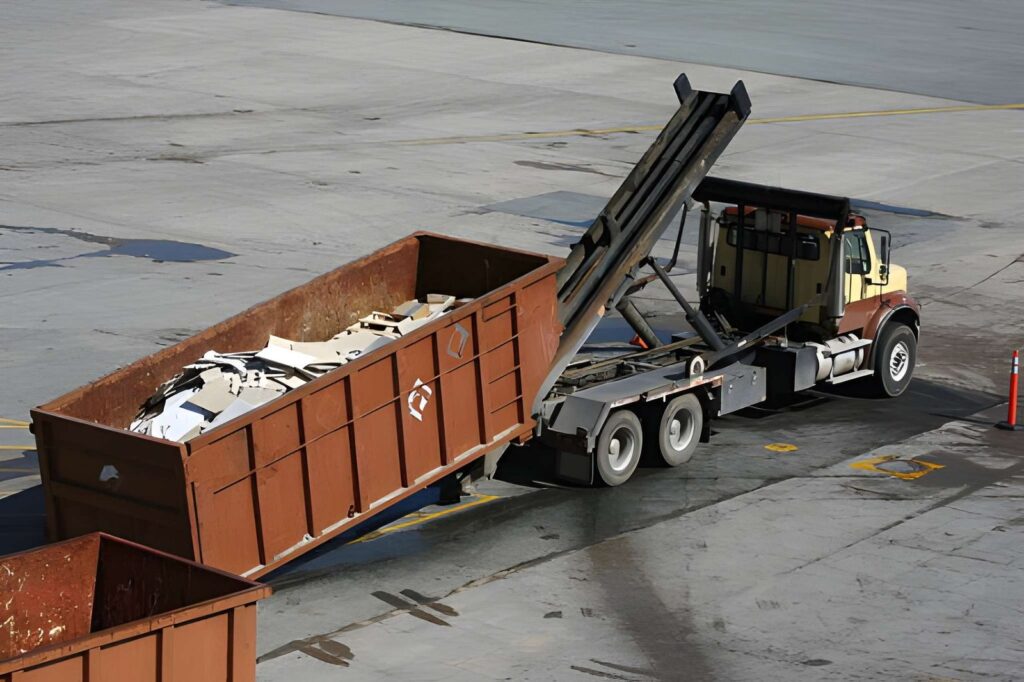
A roll-off dumpster is a large, open-top container designed for temporary waste disposal during projects such as renovations, cleanouts, or construction work. These containers are delivered to your property by a truck and “rolled off” into place, allowing you to easily load debris inside.
Once the dumpster is full or the project is complete, the company picks it up and disposes of the waste responsibly.
Many homeowners and contractors rely on roll-off dumpster rentals because they offer flexibility, convenience, and efficient waste management.
Why Choosing the Right Dumpster Size Matters
Selecting the correct dumpster size is more important than many people realize. A container that’s too small may require multiple pickups, increasing costs and causing project delays. On the other hand, a dumpster that’s too large may result in unnecessary rental fees.
Choosing the right size ensures:
- Efficient waste management
- Lower project costs
- Faster cleanup
- Compliance with disposal regulations
Working with a professional roll-off dumpster rental company can help you determine the most suitable container for your needs.
Common Roll-Off Dumpster Sizes
Dumpster sizes are typically measured in cubic yards. The most common sizes include:
10-Yard Dumpster
This is one of the smallest roll-off containers and is ideal for minor cleanup projects.
Best for:
- Garage cleanouts
- Small home renovation projects
- Yard waste removal
- Light debris disposal
20-Yard Dumpster
The 20-yard container is one of the most popular sizes for residential projects.
Best for:
- Kitchen or bathroom remodels
- Medium-sized home cleanouts
- Roofing projects
- Flooring removal
Many homeowners performing junk removal projects find this size suitable for disposing of furniture, appliances, and general household debris.
30-Yard Dumpster
A 30-yard dumpster is designed for larger construction and renovation projects.
Best for:
- Whole-home renovations
- Large cleanouts
- Commercial construction waste
- Large landscaping projects
This size is commonly used by contractors and professional junk removal service providers handling major cleanup operations.
40-Yard Dumpster
The largest standard container is typically used for large-scale construction or demolition projects.
Best for:
- Major building renovations
- Commercial construction
- Large demolition jobs
- Large-scale property cleanups
Contractors involved in heavy demolition service projects often rely on this size to handle large volumes of debris.
Factors to Consider When Choosing Dumpster Size
Choosing the right container involves more than just guessing the amount of waste. Several factors should be considered.
Type of Project
The type of project you’re working on significantly impacts the dumpster size you’ll need.
For example:
- Home cleanouts generate lighter debris but large volumes
- Renovations produce construction materials
- Landscaping projects involve soil, branches, and yard waste
Large yard renovations performed by a landscaping service may require larger containers due to bulky organic waste.
Type of Waste Materials
The materials being disposed of affect both the size and weight capacity required.
Examples include:
- Household junk
- Construction debris
- Yard waste
- Concrete or heavy materials
Projects involving junk and trash removal often require medium-sized dumpsters that accommodate bulky items without exceeding weight limits.
Project Duration
If your project will take several days or weeks, having a larger container can help prevent overflow and reduce the need for frequent pickups.
Working with a professional roll-off dumpster service ensures flexible rental periods based on your project timeline.
Available Space
Before ordering a dumpster, consider where it will be placed. Ensure there is enough space for:
- The dumpster itself
- The delivery truck needs to maneuver
- Safe loading access
Contractors working on renovation sites or properties undergoing work by a demolition contractor often coordinate dumpster placement carefully to avoid interfering with construction activities.
Not sure which dumpster size you need? Contact a professional dumpster rental provider to get expert advice and ensure you choose the right container for your project.
Dumpster Rentals for Different Types of Projects
Roll-off dumpsters are used across many industries and home improvement activities.
Home Renovation Projects
Renovations generate a large amount of debris, including drywall, wood, flooring, and old fixtures. A medium to large dumpster ensures the waste is removed efficiently without cluttering the workspace.
Landscaping and Outdoor Projects
Outdoor improvement projects often produce yard waste such as branches, soil, and plant debris. Homeowners working with a professional landscaping service frequently rent dumpsters to manage this waste.
Projects involving irrigation installation, such as hiring a drip irrigation installer, may also produce excavation debris requiring disposal. Large property upgrades that involve drip irrigation system installation sometimes require containers to remove old landscaping materials.
Construction and Demolition Projects
Construction sites generate heavy debris, including concrete, wood, metal, and roofing materials.
A large dumpster is usually required for projects handled by a demolition contractor, ensuring that debris can be safely contained and removed.
Projects involving structural removal or a full demolition service typically use large-capacity dumpsters to manage heavy waste loads.
Property Cleanouts and Junk Removal
When clearing out a property, furniture, appliances, and miscellaneous items can accumulate quickly.
Many homeowners and property managers use dumpsters during junk and trash removal projects to simplify the cleanup process.
Professional teams performing junk removal service tasks may also recommend dumpsters for large-scale cleanouts.
Tips for Maximizing Dumpster Space
Using your dumpster efficiently helps reduce costs and ensures you get the most value from your rental.
Break Down Large Items
Disassemble furniture, cabinets, and other bulky items before placing them inside the container.
Load Materials Evenly
Distribute waste evenly throughout the dumpster to maximize space and prevent overflow.
Avoid Prohibited Items
Certain materials cannot be disposed of in standard dumpsters, including hazardous chemicals, batteries, and certain electronics.
Your rental provider will provide a list of restricted items to ensure compliance with disposal regulations.
When to Schedule Your Dumpster Rental
Planning ensures the dumpster arrives when you need it.
It’s best to schedule your rental:
- Before starting demolition or renovation work
- During large landscaping projects
- When performing major home cleanouts
Early planning helps prevent project delays and ensures the right container is available.
Ready to rent the perfect dumpster for your project? Visit our Contact page today to schedule your roll-off dumpster service and get expert guidance on choosing the right container size.
Conclusion
Selecting the right dumpster size is an essential step in managing waste during construction, renovation, landscaping, and cleanup projects. Choosing a container that matches the scale of your project ensures efficient waste removal, reduces costs, and keeps your workspace organized.
By understanding the different dumpster sizes available and considering factors such as project type, debris volume, and available space, homeowners and contractors can make informed decisions when renting a dumpster.
FAQs
1. What size roll-off dumpster do I need for a home renovation?
Most home renovation projects require a 20-yard or 30-yard dumpster, depending on the amount of debris generated.
2. How long can I keep a rented dumpster?
Rental periods vary by company but typically range from several days to a few weeks.
3. What items cannot be placed in a dumpster?
Hazardous materials such as chemicals, paint, batteries, and certain electronics are usually prohibited.
4. Can dumpsters be used for landscaping waste?
Yes. Roll-off dumpsters are commonly used for yard waste, branches, soil, and debris from landscaping projects.
5. Do I need a permit for a roll-off dumpster?
Permits may be required if the dumpster is placed on public property, such as a street or sidewalk. Always check local regulations.